Product Buying Guides
How to Choose Inflatable Dunnage Bags for Container Shipping
Learn how to choose inflatable dunnage bags for container shipping by gap size, cargo type, transport mode, inflation method, and shipment requirements.
August 23, 2026
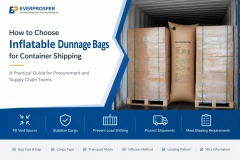
Practical guidance for procurement and logistics teams comparing dunnage bag size, cargo type, transport mode, inflation method, and shipment requirements.
Summary: Inflatable dunnage bags are used to fill void spaces between cargo loads and help limit movement during container, truck, rail, and intermodal transport. For procurement teams, the right choice depends on cargo type, gap size, transport mode, inflation method, loading pattern, and the level of movement expected during transit.
This guide explains how U.S. buyers can compare dunnage bag options and prepare clearer RFQ information before sourcing shipping dunnage bags for container load protection and palletized shipment support.
When Inflatable Dunnage Bags Make Sense
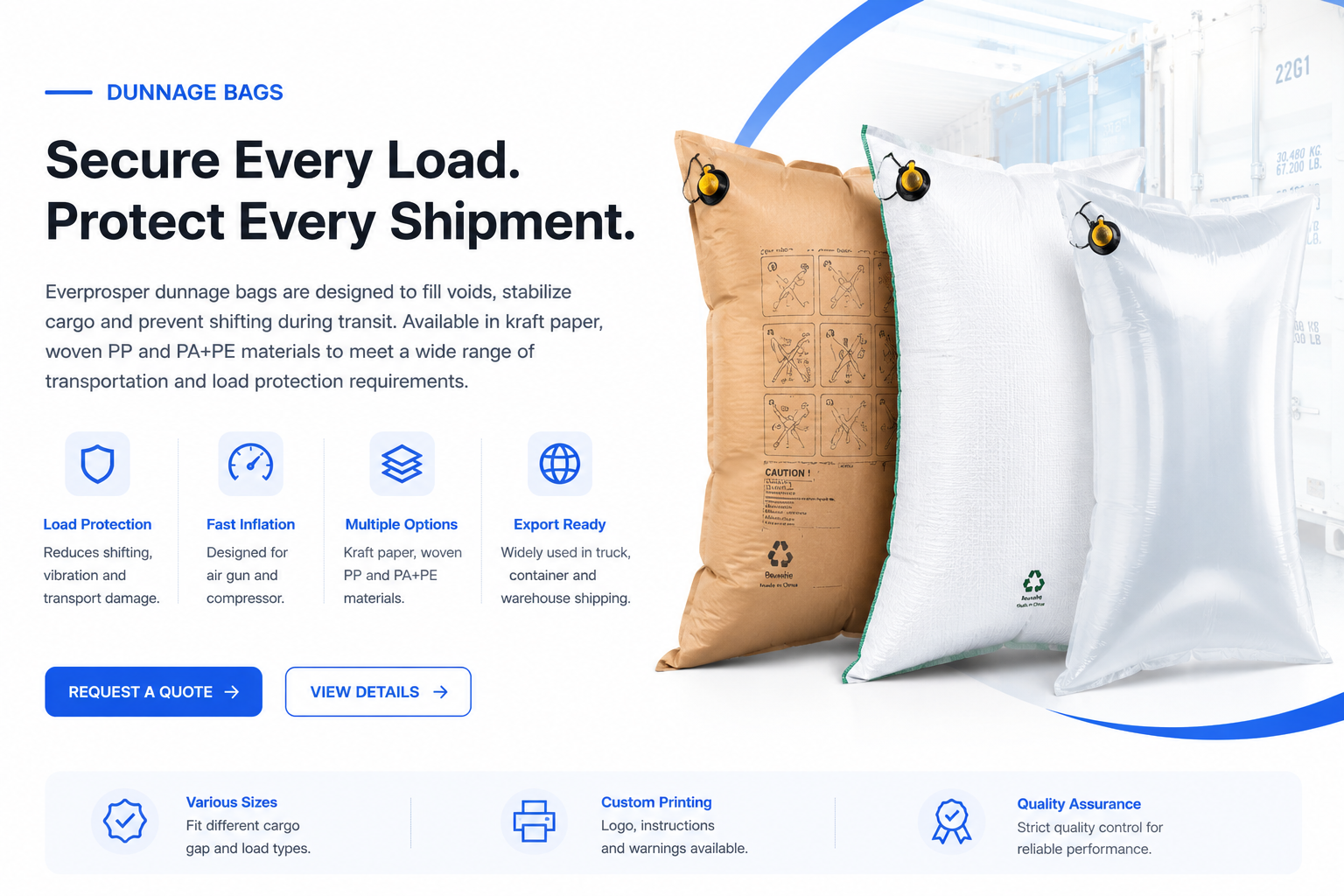
Inflatable dunnage bags are commonly used when cargo has open space between pallets, cartons, drums, crates, or machinery. That open space can allow loads to shift during braking, handling, rail vibration, ocean movement, or long-distance trucking. Dunnage bags are placed into the gap and inflated to help stabilize the load.
They are often considered for container shipping, export packaging, truckload shipments, rail transport, and palletized goods where stretch film or strapping alone may not control lateral movement inside the container or trailer.
- Containerized export shipments with pallet gaps
- Truck and intermodal freight with mixed cargo sizes
- Palletized shipment support for industrial goods
- Loads that need void filling between rows or sidewalls
- Cargo that may shift during long routes or repeated handling
Key Factors Buyers Should Compare
Choosing inflatable dunnage bags is not only a matter of selecting a bag size. Buyers should review the shipment route, cargo weight, loading pattern, inflation method, handling conditions, warehouse workflow, and available product documentation before ordering.
Bag Size and Gap Size
The bag must fit the void space after the load is placed. A bag that is too small may not support the cargo properly, while a bag that is too large may be difficult to position or inflate. Buyers should measure the typical gap width, height, and depth inside the container, trailer, or loading area.
- Measure the space between pallet rows or cargo units.
- Confirm whether the gap changes during loading.
- Check whether one large bag or several smaller bags are more practical.
- Review whether the bag will touch cartons, drums, crates, or sidewalls.
Cargo Type and Surface Contact
Different cargo types create different pressure points. Cartons, drums, machinery, bagged goods, and crates may require different bag construction or placement. Buyers should consider whether cargo surfaces are flat, uneven, sharp, rounded, fragile, or stacked at different heights.
Transport Mode and Route
A short domestic truck route may not create the same movement pattern as ocean freight, rail transport, or multimodal shipping. Export shipments can involve multiple handling stages, port movement, container stacking, and long transit times. The transport mode should be part of the sourcing discussion.
Inflation Method
Dunnage bags require inflation at the loading point. Buyers should confirm whether the warehouse has an air compressor, portable inflator, or manual process. The valve type and inflation equipment should match the loading operation so workers can inflate bags consistently within the loading workflow.
Comparison Table for Procurement Review
| Factor | What to Confirm | Why It Matters |
|---|---|---|
| Gap size | Width, height, depth, and variation during loading | Helps determine bag size and placement |
| Cargo type | Cartons, pallets, drums, crates, machinery, or mixed freight | Affects contact surface and bag construction needs |
| Transport mode | Container, truck, rail, intermodal, export shipping | Influences movement, vibration, and handling risk |
| Inflation method | Air compressor, portable inflator, valve type | Supports practical warehouse loading workflow |
| Quantity | Monthly usage, shipment volume, seasonal demand | Improves RFQ accuracy and sourcing comparison |
| Documentation needs | Product data, handling guidance, buyer requirements | Helps procurement review available options before ordering |
How to Choose Dunnage Bags for Containers
Container shipping requires special attention because cargo may experience long-distance movement and multiple handling stages. Buyers should start by reviewing the loading pattern rather than choosing the bag first. The right bag should support the actual void space created by the cargo layout.
- Map the loading pattern. Identify where voids appear after pallets or cartons are loaded.
- Measure the gap. Record common gap sizes instead of estimating visually.
- Review cargo pressure points. Note whether the bag will touch flat cartons, uneven machinery, drums, or sharp edges.
- Confirm inflation workflow. Make sure the warehouse has compatible inflation tools and enough time during loading.
- Match the bag to the shipment route. Consider container, truck, rail, port handling, and export shipping conditions.
- Prepare RFQ details. Share cargo photos, container size, gap dimensions, quantity, and route information with the sourcing partner.
How Dunnage Bags Work with Other Packaging Materials
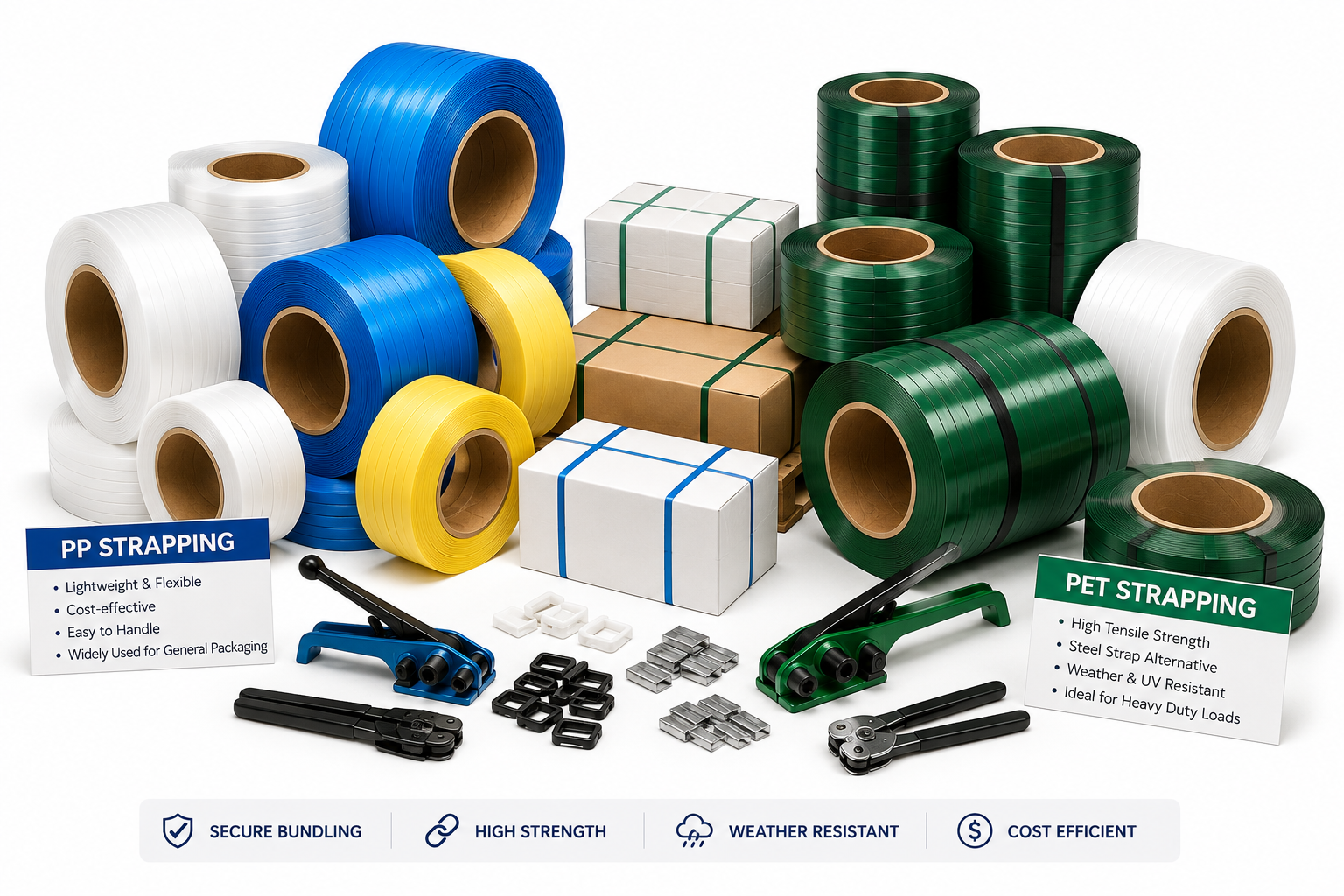
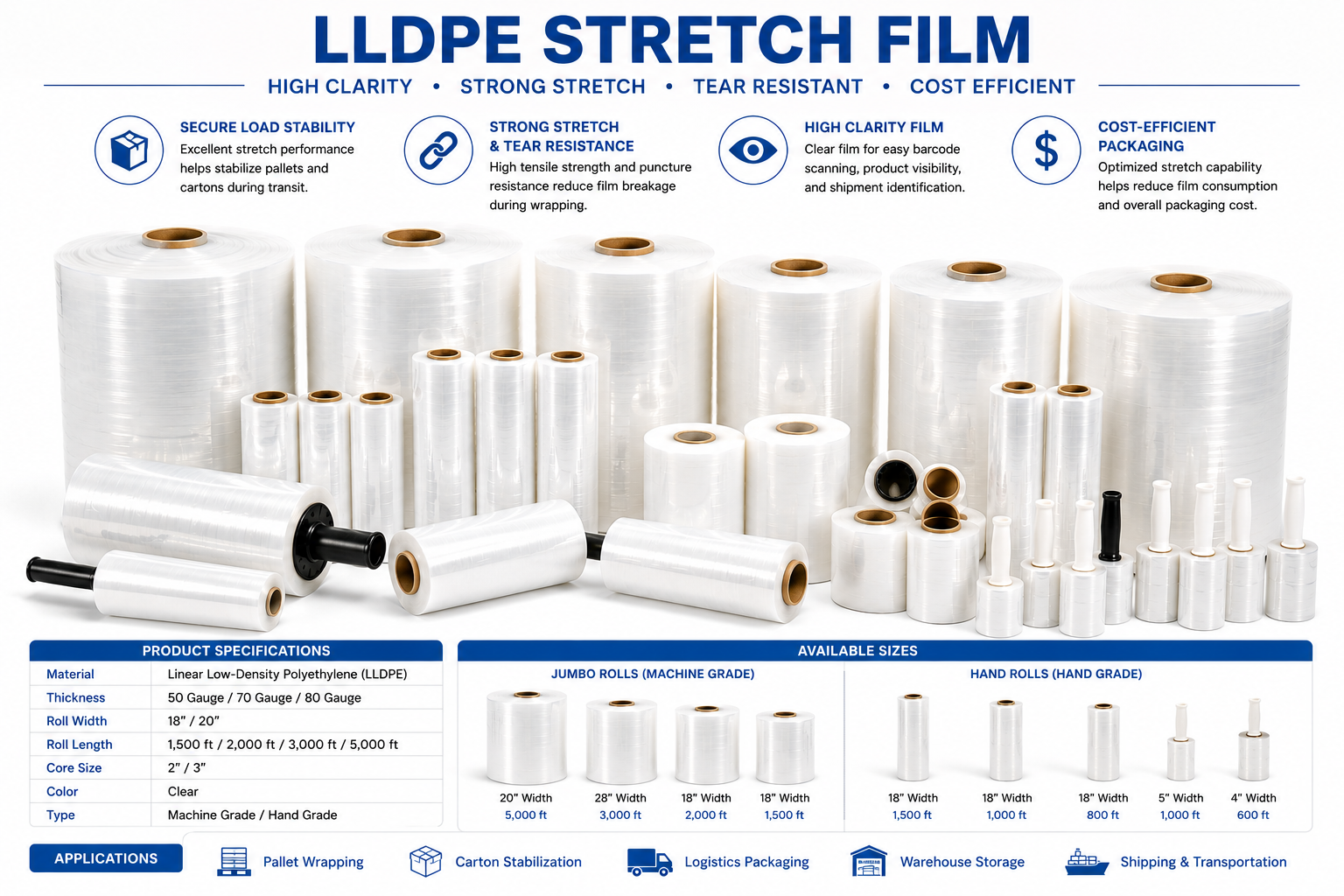
Inflatable dunnage bags usually support the internal space between loads. They do not replace every other packaging material. In many operations, buyers still use stretch film for pallet wrapping and strapping for pallet securing or bundling when those materials are appropriate for the load.
The practical question is what problem each material solves. Stretch film helps hold products on a pallet. Strapping helps secure bundles or pallets. Dunnage bags help fill voids and support cargo against movement inside a container or trailer.
RFQ Information to Prepare
Before requesting a quote, buyers should prepare the shipment type, container or trailer size, gap dimensions, cargo type, pallet pattern, transport route, inflation method, estimated quantity, and any documentation requirements. Clear RFQ details help sourcing teams compare practical options instead of guessing from a product name alone.
Buyer Checklist
- Measure the typical void space after cargo loading.
- Confirm whether the shipment uses containers, trucks, rail, or multimodal transport.
- Identify cargo type, weight range, and surface contact points.
- Review inflation tools available at the loading location.
- Confirm whether reusable options are a buyer requirement and ask what options can be sourced.
- Share photos or loading diagrams when requesting sourcing support.
Common Sourcing Mistakes to Avoid
Many sourcing issues happen when a buyer sends only a product name without loading details. Dunnage bags are application-driven, so the RFQ should explain the actual shipment environment. Buyers should avoid assuming that one bag size covers every container pattern or that every option has the same reuse profile.
- Ordering by product name without gap measurements
- Ignoring the inflation tools available at the warehouse
- Failing to provide cargo photos or loading diagrams
- Assuming reuse without confirming available sourced options
- Using dunnage bags as a substitute for proper pallet wrapping or securing where those are still needed
FAQ
Are inflatable dunnage bags used only for containers?
No. They are often used in containers, trucks, rail shipments, and intermodal freight when cargo has void space that needs support.
How do I choose the right dunnage bag size?
Start with the actual gap size, cargo height, loading pattern, and contact surface. The bag should match the space and application rather than being chosen only by a catalog size.
Are all dunnage bags reusable?
No general reuse claim should be assumed. If reuse is important, buyers should list it as an RFQ requirement and confirm available sourced options before ordering.
What information should I send for a quote?
Send cargo type, gap dimensions, container or trailer size, transport mode, inflation method, monthly quantity, and photos or loading diagrams if available.
Request Sourcing Support
Need help comparing inflatable dunnage bags for container shipping, export packaging, or palletized shipment support? Share your cargo type, gap size, transport mode, quantity, and loading details. Everprosper can help review practical sourcing options for your application.