Industrial Sourcing Insights
How Packaging Decisions Affect Damage Risk, Handling, and Shipping Cost
Compare complete packing arrangements by product vulnerability, load stability, dimensions, weight, handling frequency, and warehouse receiving requirements.
October 6, 2026

Packaging decisions affect more than the purchase price of cartons, film, or strapping. They influence how goods are protected, moved, stored, counted, and received throughout a shipment. A purchasing team should review the complete handling path before deciding whether a lighter, larger, simpler, or more protective pack is appropriate.
No packaging arrangement guarantees damage prevention. The useful objective is to match protection and handling requirements to the actual product, load configuration, transport mode, and receiving process, then compare the implications of different options.
1. Start With Product Vulnerability and Handling
Identify what could affect the product during the planned journey. Depending on the item, relevant concerns may include impact, movement, abrasion, crushing, moisture exposure, or a load becoming difficult to handle. Separate those concerns from appearance preferences so that the packing specification addresses the intended use.
Map the handling stages from supplier packing to final receiving. Include transfers, storage, loading, unloading, and any need to open or rebuild the pack. A shipment with repeated handling may need a different arrangement from goods moving through a more direct route.
Ask operations how the product will be removed and used. Packaging that protects goods in transit can still create receiving problems if access, package identification, or disposal has not been considered. Include the people who load and unpack the goods in the review.
2. Review Carton and Pallet Configuration
Check how the product fits within its carton or other primary shipping package. Excess space may permit movement; an overly tight arrangement may make packing difficult or place pressure on vulnerable features. Review any internal separation or cushioning against the product and its handling requirements.
For palletized goods, consider the carton pattern, pallet footprint, load height, weight distribution, and stacking arrangement. Identify unsupported areas, overhang, or an uneven top surface that could complicate handling. Confirm any constraints imposed by the intended equipment or receiving location.
Compare proposed changes using actual dimensions and weights. A revised carton might improve product organization while changing pallet quantity or shipment volume. Record both effects rather than evaluating the carton in isolation. Do not assume that the configuration used for a sample shipment is suitable for an ongoing purchasing program.
3. Match Stretch Film and Strapping to the Load
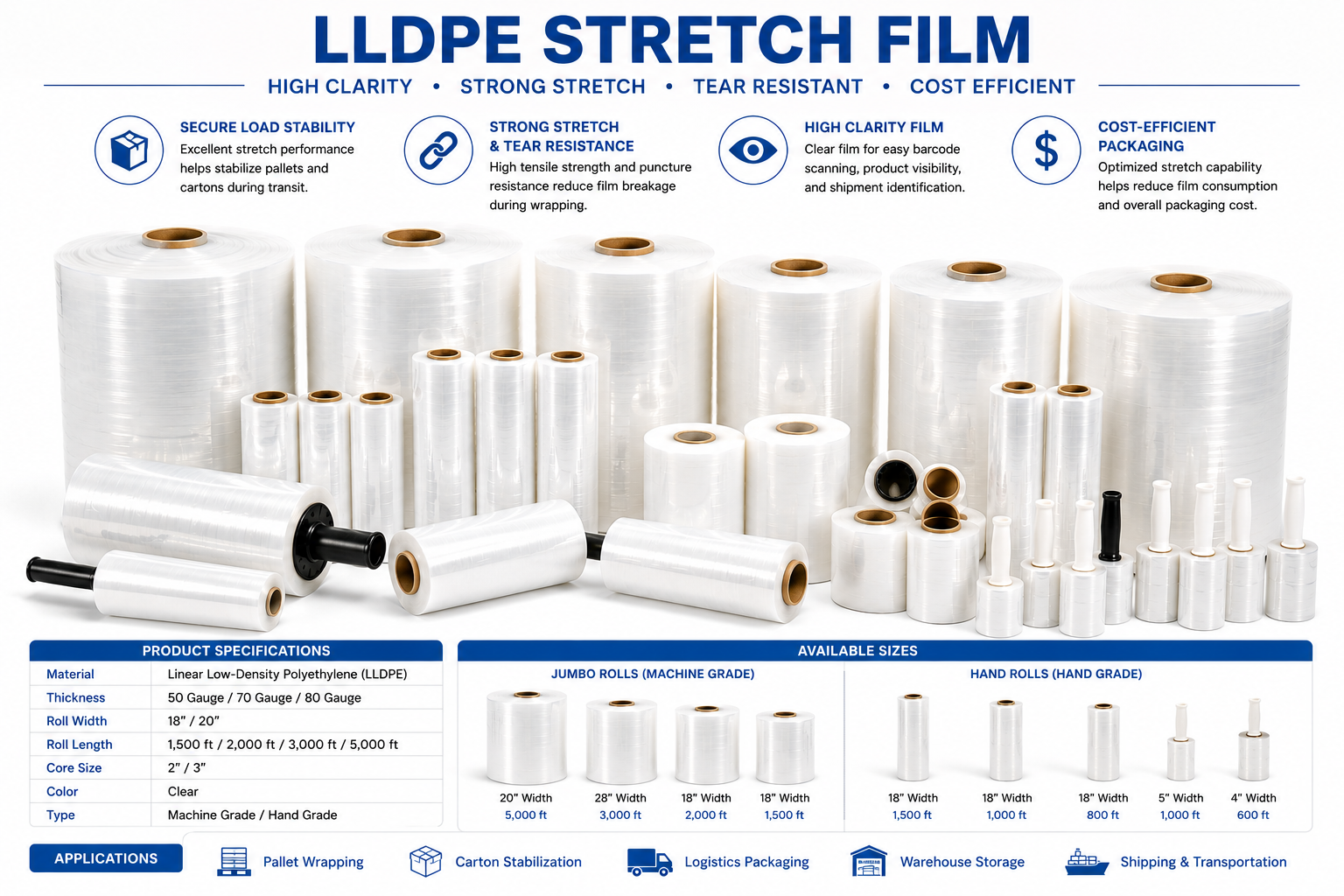
Stretch film is commonly used to help unitize palletized loads, but film selection should be considered alongside the wrapping method, load shape, and handling sequence. Review film type, application method, coverage, and the requirement being addressed rather than choosing solely by nominal thickness.
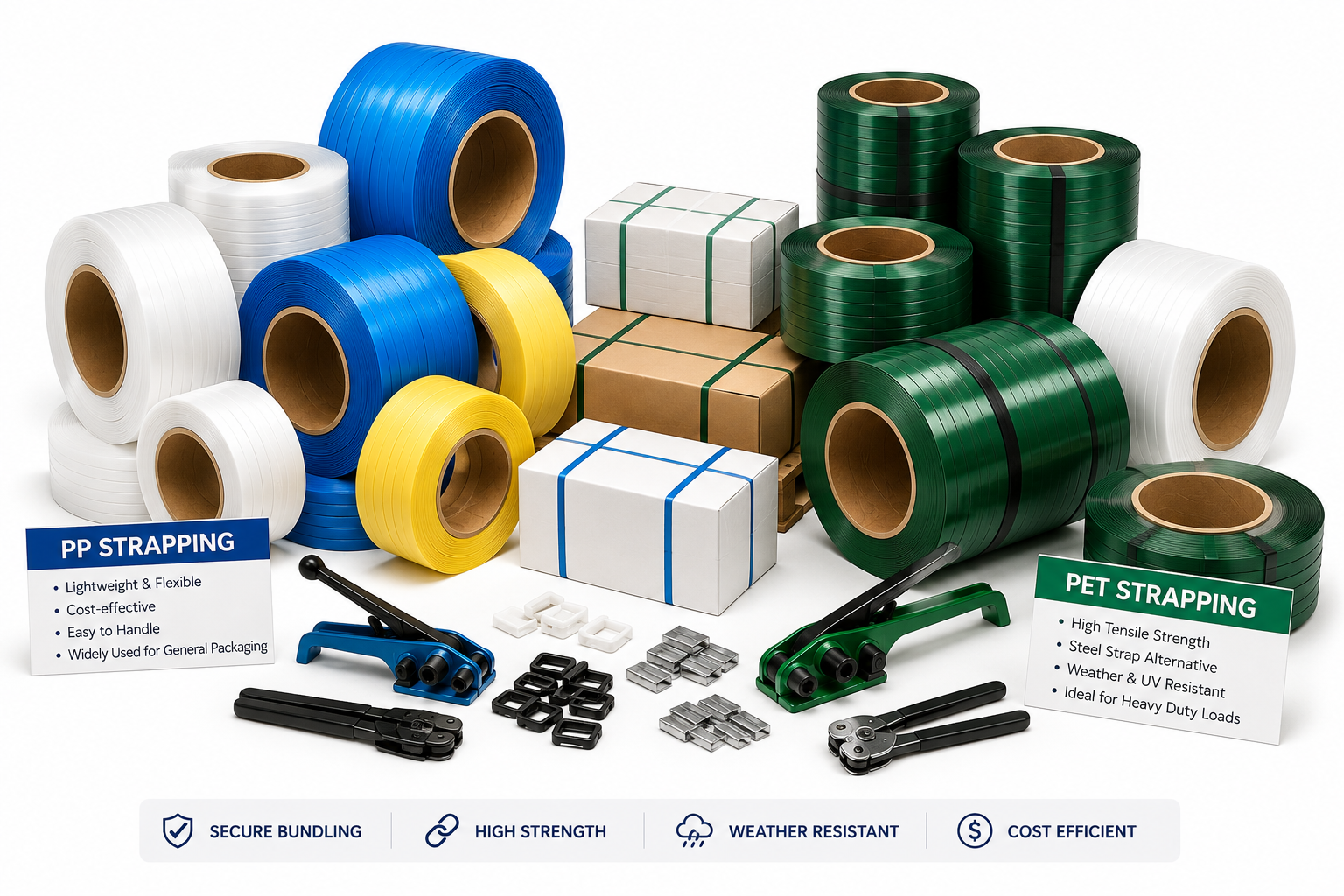
Strapping may be considered for bundling or securing suitable loads. Discuss material, dimensions, application equipment, and contact points with the product. Protective components may be needed where contact could affect a carton or product surface, depending on the arrangement.
Film and strapping are not interchangeable answers to every load problem. For example, changing the securing material may not resolve a poor carton pattern or uneven weight distribution. Review the complete load and confirm application requirements with the responsible packing and logistics teams.
4. Address Void Space and Transport Movement
Review spaces within packages and between cargo units separately. Internal void fill supports a different part of the packing arrangement from blocking or cushioning gaps between loaded pallets. Identify which movement or contact the proposed material is intended to limit.
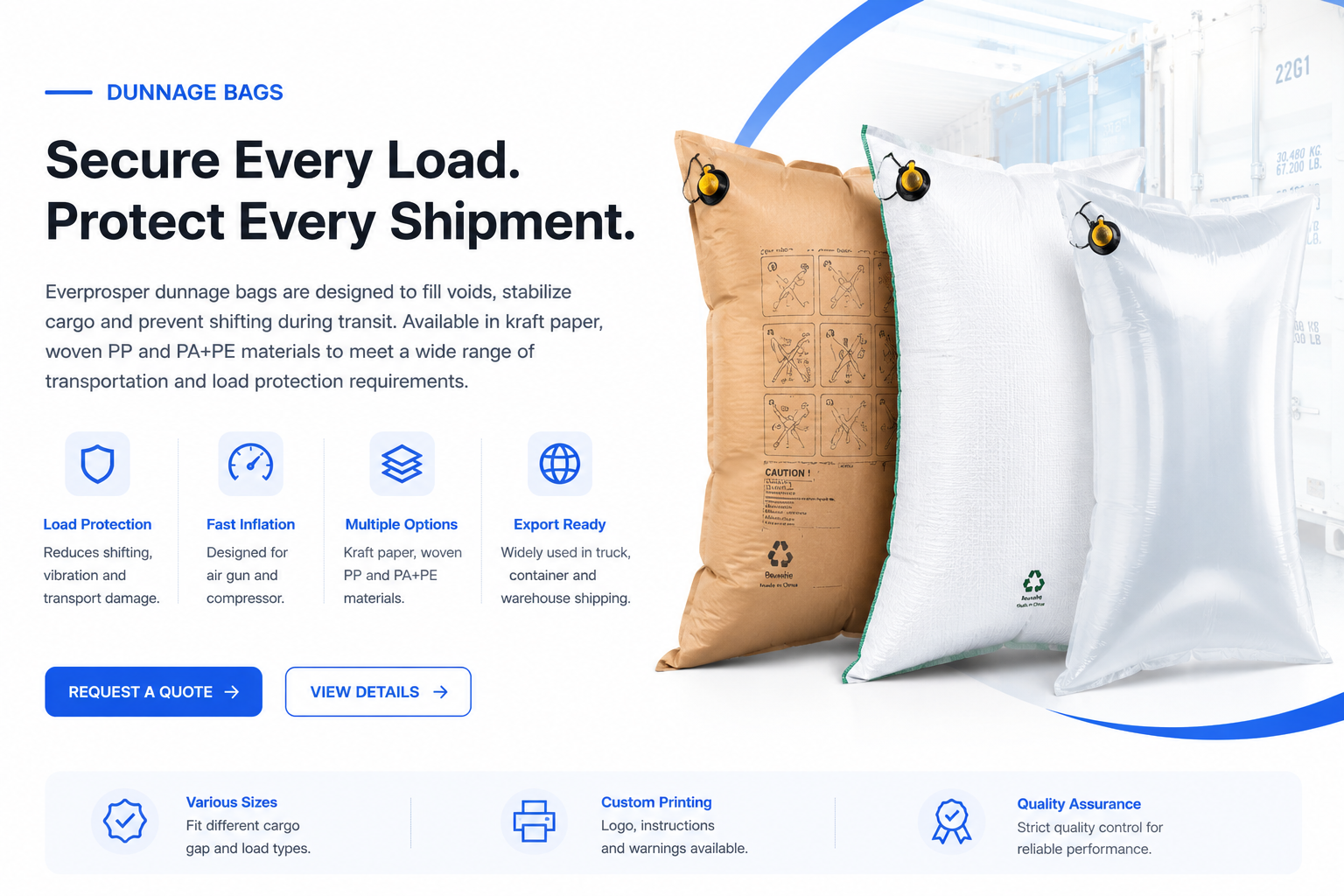
Inflatable dunnage bags may be considered for suitable cargo gaps. Selection depends on gap dimensions, cargo type, transport mode, loading pattern, inflation method, and the agreed application limits. Do not assume that adding a bag will correct every unstable load or prevent all shipment damage.
Coordinate the packing arrangement with the intended transport route. Transfers, vibration, stacking, and loading constraints can differ between road, container, rail, or intermodal movements. Discuss those conditions during shipping and delivery planning, and identify any evaluation or documentation needed for the selected arrangement.
5. Compare Dimensions, Weight, and Total Handling Impact
Record the finished package dimensions, gross weight, package count, and pallet configuration for each option. Use the same transport assumptions when comparing quotations. Ask the logistics provider how the proposed cargo information affects the relevant charges instead of assuming a smaller material bill means a lower shipment cost.
Consider costs and work across the handling path. These may include packing time, additional materials, storage space, receiving labor, repacking, or disposal. The applicable factors depend on the order and arrangement; avoid assigning savings percentages without evidence from the buyer's own comparison.
Ask whether the change improves the workflow or moves a problem elsewhere. Reducing unit packing could require more separation at the pallet level. A heavier pack might simplify handling but change the transport calculation. Compare the complete option, not a single material in isolation.
6. Balance Overpacking and Underpacking
Overpacking can add material, volume, weight, and unpacking work without addressing the relevant risk. Underpacking can leave the goods difficult to handle or inadequately supported. Define the protection requirement first, then assess which components serve a clear purpose.
An illustrative comparison might consider two carton configurations for the same industrial item. One uses more internal separation but fewer units per carton; another holds more units but changes manual handling and pallet layout. The buyer should review product condition, packing work, receiving access, and shipment dimensions before choosing. Neither option is automatically preferable.
Where a new arrangement changes important handling conditions, agree how it will be evaluated. A documented packing trial or a limited shipment review may provide useful observations, but its scope and limits should be recorded. Do not convert a successful trial into a promise that future shipments cannot be damaged.
7. Build a Packaging Review Checklist
Before confirming the packing specification, record:
- Product vulnerabilities and required protection.
- Expected transport mode, transfers, and handling frequency.
- Carton configuration, internal support, and package identification.
- Pallet footprint, load height, weight distribution, and stacking limits.
- Film, strapping, or other securing method and application requirements.
- Void spaces, selected support materials, and their application limits.
- Finished dimensions, gross weight, and package count.
- Receiving equipment, unloading access, and unpacking instructions.
- Packing labor, material use, and relevant total handling implications.
- Evaluation results, outstanding questions, and the specification revision.
Make sure the supplier and receiving team use the same approved instructions. Packing changes should be reviewed alongside product or quantity changes rather than carried forward without checking their effect.
Conclusion and Next Step
Packaging decisions are more useful when they connect product protection to the full handling and delivery process. Comparing complete arrangements helps buyers recognize trade-offs without relying on guaranteed damage-prevention or cost-saving claims.
For sourcing review, send Everprosper your product, packing, and delivery requirements. Include package dimensions, load weight, transport mode, receiving constraints, and any current packing references so that suitable options can be discussed.